 (Image via
Merging lives is messy, but merging furniture is a battlefield where ergonomic chairs go to die. When households blend, whether it is a Brady Bunch situation, a multi-generational family, or a group of roommates trying to survive late capitalism, the shared spaces become ground zero for conflict. You have one person who believes minimalism is a religion and another who collects ceramic frogs. The challenge is not just fitting everyone inside four walls, but creating a home where different personalities, schedules, and aesthetics can coexist without someone threatening to move into a tent in the backyard. It is about designing for harmony in a way that respects individuality while fostering a sense of togetherness.
The goal is to create common areas that function like a Swiss Army knife, serving multiple purposes without looking like a chaotic storage unit. A living room might need to be a playroom during the day, a cinema at night, and a home office for that one roommate who takes zoom calls at odd hours. This requires a shift in thinking from purely decorative design to functional adaptability. By prioritizing flexibility and smart zoning, you can turn a cramped, argumentative space into a cohesive sanctuary. The magic lies in finding the middle ground where function meets style, and where everyone feels like they actually belong.
Establishing Neutral Zones With Personalized Accents
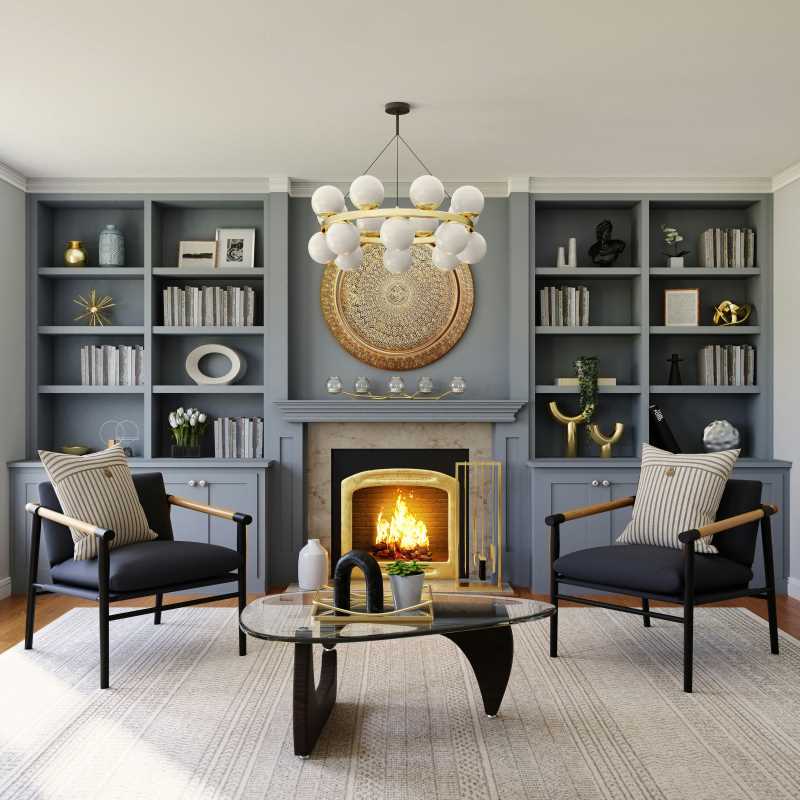
The most diplomatic way to handle clashing tastes is to start with a blank canvas that offends absolutely no one. Think of your walls and major furniture pieces as the Switzerland of your home, maintaining a strict policy of neutrality. Opting for a cohesive base palette of whites, creams, grays, or warm earth tones creates a calming backdrop that unifies the space. This prevents the room from feeling disjointed, like a visual shouting match between a neon orange sofa and a paisley rug. It sets a tone of calm and order, which is essential when the household dynamics themselves might be a bit chaotic.
Once the peace treaty is signed in paint colors, you can allow individual personalities to shine through in the accents. This is where the compromise happens without sacrificing style. One person can introduce their love for bold patterns through throw pillows, while another displays their vintage camera collection on a shared bookshelf. These smaller, interchangeable elements allow everyone to see a piece of themselves in the room without dominating the entire aesthetic. It turns the design process into a collaborative collage rather than a winner-takes-all contest.
Zoning For Multiple Activities In Open Plans
Open floor plans are great for light and flow, but terrible for privacy and noise control in a busy house. When you have a toddler watching cartoons, a teenager doing homework, and a grandparent reading the paper all in the same "great room," you have a recipe for sensory overload. The solution is to create invisible walls using furniture placement and rugs to define specific zones for specific activities. A well-placed sofa can act as a divider, separating the lounging area from a workspace or play corner. This visual separation helps the brain switch modes as you move through the room, even if there are no physical doors to close.
Lighting plays a crucial role in reinforcing these zones and signaling what each area is for. You can use focused task lighting like floor lamps or desk lamps to create intimate pockets of activity within the larger space. A pendant light over a dining table creates a gathering spot, while a reading nook in the corner might have its own soft, ambient glow. By controlling the light, you control the atmosphere, allowing multiple people to inhabit the same room without feeling like they are living on top of each other. It creates the illusion of privacy in a communal setting.
Selecting Modular And Multi-functional Furniture
In a blended household, static furniture is a wasted opportunity. You need pieces that can hustle and adapt as the needs of the house change throughout the day. A modular sectional sofa is a lifesaver because it can be broken apart to create separate seating groups for a party or pushed together for a movie marathon. Ottomans with hidden storage can serve as footrests, extra seating, or coffee tables, all while hiding the clutter that inevitably accumulates. This flexibility allows the room to breathe and reshape itself based on who is using it and for what purpose.
Dining tables are another area where versatility is non-negotiable. An extendable table is essential for accommodating the fluctuating number of people at dinner, from a quiet meal for two to a chaotic Sunday feast for twelve. Look for sturdy surfaces that can handle everything from hot plates to science projects and laptop scratches. The furniture should work for you, not the other way around. Investing in durable, adaptable pieces means you are buying solutions to future problems you haven't even encountered yet.
Creating Vertical Storage For Individual Belongings
Floor space is premium real estate in a shared home, so the only way to go is up. Vertical storage is the secret weapon for keeping communal areas tidy while giving everyone a place for their stuff. Floor-to-ceiling shelving units maximize every inch of wall space and draw the eye upward, making the room feel larger. You can assign specific shelves or cubbies to different family members, giving them a designated spot to drop their keys, books, or devices. This prevents the dining table from becoming a dumping ground for the entire household's detritus.
Using consistent storage bins or baskets on these shelves keeps the visual clutter to a minimum. It hides the messy reality of daily life behind a uniform facade. You can label these bins or color-code them for younger members of the household, turning tidying up into a slightly more organized game. When everyone has a specific "home" for their personal items within the shared space, it reduces the friction of constantly asking "whose socks are these?" It fosters a sense of ownership and responsibility that is crucial for peaceful cohabitation.
Integrating Acoustic Solutions For Noise Management
Noise is the invisible stressor that can ruin even the most beautifully designed shared space. In a blended household, the clash of sounds is constant, from video game explosions to blender noises and phone conversations. Incorporating soft materials into your design is not just an aesthetic choice, it is an acoustic necessity. Heavy curtains, plush area rugs, and upholstered furniture absorb sound waves, preventing them from bouncing around the room like pinballs. This dampening effect makes the space feel cozier and quieter, even when it is fully occupied.
For more serious noise issues, consider decorative acoustic panels that can be mounted on walls like art. These have come a long way from the ugly gray foam of recording studios and now come in various shapes, colors, and textures that complement modern decor. Bookshelves filled with books also act as excellent sound barriers against shared walls. By prioritizing acoustics alongside visuals, you create a home that sounds as peaceful as it looks. It allows for simultaneous activities to happen without driving everyone to wear noise-canceling headphones 24/7.





.jpg)